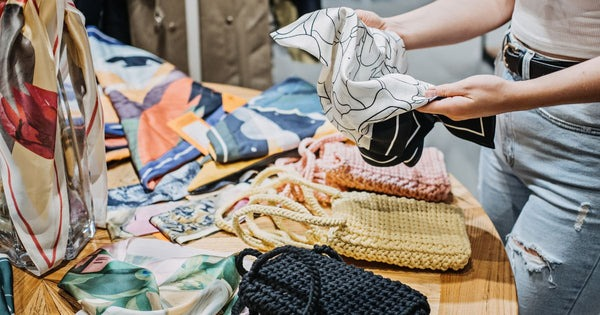
Fast fashion gives us cheap, trendy clothes fast, but it also creates massive waste and pollution. Every year, millions of garments end up in landfills, and the fashion industry pumps out more carbon emissions than most people realize. That’s why choosing local, handmade, and small-batch products matters. When you support small businesses, you make a real difference for the planet.
This post explains how supporting small businesses helps the environment and how your everyday purchases create positive change.
The Environmental Problem with Mass Production
Fast fashion is built on speed, low cost, and disposable trends. But this model comes with a huge environmental cost.
- “The fashion industry is responsible for 10% of global carbon emissions … more than all international flights and shipping combined.” → UN Environment Programme / overview via World Economic Forum article. World Economic Forum+1
- “92 million tons of textile waste annually” → from a recent “Sustainability in the Fashion Industry Statistics” report. Gitnux+1
- “2,700 liters of water to make one cotton T-shirt” → same statistics report. Gitnux+1
- Textile dyeing is one of the world’s biggest sources of water pollution” → data on the industry’s water use / pollution footprint. Humboldt Bibliothek+1
Because fast fashion pushes overproduction and overconsumption, clothing is made cheaply and tossed quickly. As one environmental report states, fast fashion “costs the planet far more than it costs your wallet.”
(shunwaste.com)
How Supporting Small, Local, and Handmade Businesses Helps the Environment
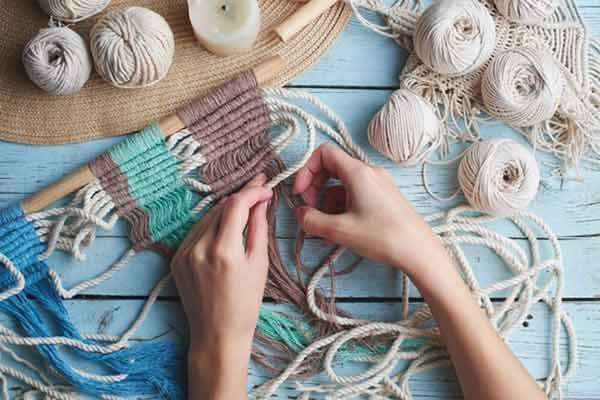
Supporting small businesses may seem like a small choice, but those choices add up, and every purchase helps lower your environmental impact.
Lower Carbon Emissions
Buying from local or handmade brands reduces the need for long-distance shipping. Small businesses often source materials locally, which cuts down on freight emissions. Shorter supply chains = smaller carbon footprint.
Less Waste
Small businesses don’t mass-produce thousands of items. They create what they need, when they need it.
Many handmade brands also use upcycled or repurposed materials, which keeps textile waste out of landfills. For example, upcycled denim bags give old jeans a second life instead of letting them accumulate in waste streams.
Higher Quality = Less Waste Over Time
Handmade items are usually made with better materials and more care. When products last longer, people throw away fewer items, which reduces waste and cuts down repeat consumption.
More Ethical Materials & Production
Small-batch makers often avoid harmful chemicals, use low-impact dyes, or choose natural fibers. They also prioritize fair labor and safe working conditions. This type of slow, intentional production leads to far less environmental damage than fast fashion.
Strengthens the Circular & Local Economy
When you shop small, your money stays in your community. You support real people, local jobs, and sustainable business models. A strong local economy encourages more eco-friendly production and reduces reliance on overseas manufacturing.
Why Your Individual Choices Matter
Some shoppers think one purchase won’t change anything, but that’s not true.
A 2022 IBM study found that 51% of global consumers say sustainability is more important to them than ever, and many are willing to spend more for eco-friendly products.
(ibm.com)
When enough people make sustainable choices, big companies must pay attention. Consumer demand drives industry change. Every small, ethical purchase tells the fashion industry to do better.
Choosing handmade goods instead of fast fashion reduces your carbon footprint, cuts waste, and supports ethical creators. Your choices truly matter.
Millie Goat Bags: A Real Example of Sustainable, Small-Batch Craftsmanship
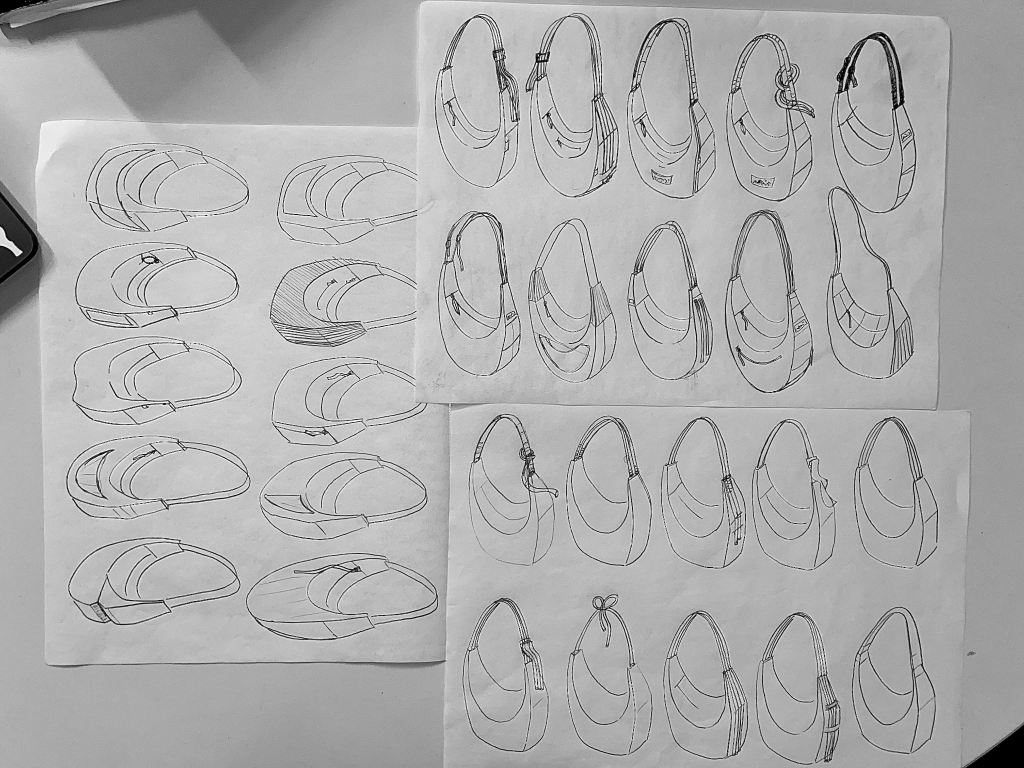
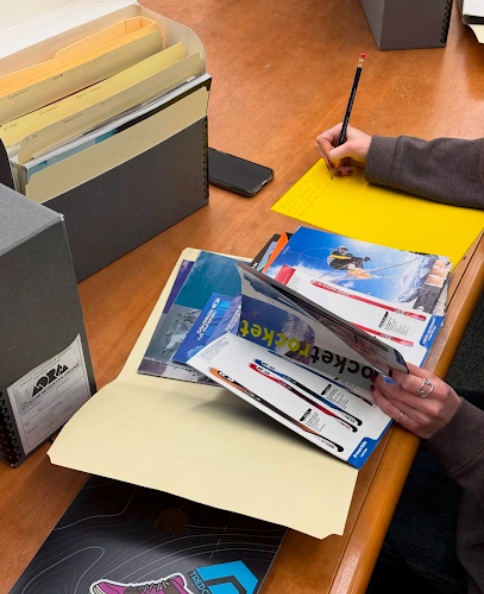
Millie Goat Bags is built on the belief that style and sustainability can go hand in hand. Our bags are crafted from upcycled denim and made in small batches by hand. That means:
- We reduce textile waste by using materials that would otherwise be thrown away.
- We make items that are durable, long-lasting, and designed to be used for years.
- We follow a slow fashion philosophy, not fast trends.
- We avoid overproduction – every bag is made with intention.
When you carry a Millie Goat Bag, you support a maker who prioritizes the planet over mass production. You also support a circular economy and small business craftsmanship.
Learn more on our About page:
My Story
How to Shop More Sustainably
Switching to more sustainable shopping habits doesn’t require a total lifestyle overhaul. Small steps create real change.
Here are simple tips you can start using today:
- Choose handmade, small-batch, or locally made products.
- Look for upcycled or natural materials, like denim, cotton, or repurposed fabric.
- Buy fewer items but better quality.
- Research brands to learn how they source materials and treat workers.
- Support local artisans and small shops whenever possible.
These habits lower waste, decrease carbon emissions, and move you away from fast fashion’s harmful cycle.
Your Choices Create Change
Fast fashion harms the planet, but you have the power to support something better. Buying from local and handmade businesses reduces waste, supports ethical makers, and builds a more sustainable future.
If you want to make a positive impact, and look good doing it, small businesses like mine are here to help.
Ready to Support Sustainable Style?
Shop Handmade Bags
Follow on Instagram @MILLIEGOAT for new drops
Learn more about our sustainable story