When it comes to protecting the planet, small actions add up. One of the most creative and impactful ways to live sustainably is through upcycling, the art of transforming old or unused items into something new and useful. But why is upcycling considered sustainable? The answer lies in how it helps reduce waste, save resources, and inspire mindful living.
What Makes Upcycling Sustainable
Upcycling is considered sustainable because it gives new life to materials that might otherwise end up in landfills. Instead of throwing something away, you reimagine it into something better, like turning glass bottles into planters or repurposing fabric scraps into tote bags.
Unlike traditional recycling, which breaks materials down using energy and machinery, upcycling keeps the original material intact. This means less energy is used, fewer new materials are needed, and less pollution is created. It’s sustainability powered by creativity.
How Upcycling Reduces Waste
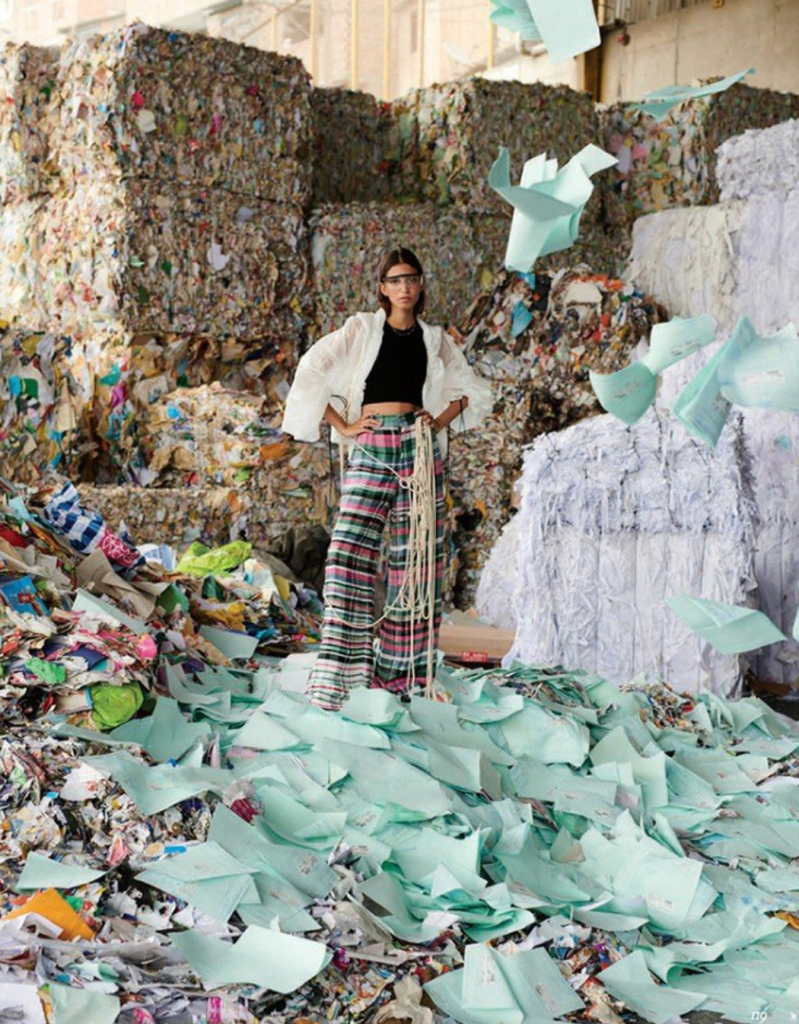
Every year, millions of tons of waste end up in landfills, much of it still reusable. Upcycling helps slow this cycle by giving items a second life.
For example:
- Turning old furniture into stylish home décor keeps bulky materials out of dumps.
- Repurposing fabric and clothing reduces textile waste, one of the largest polluters in the fashion industry.
- Using jars, cans, and wood scraps in DIY projects prevents unnecessary waste and cuts down on single-use items.
Each small project helps reduce the demand for landfill space and lowers the amount of trash that needs to be managed.

Conserving Natural Resources
When you upcycle, you’re not just saving items, you’re also saving the resources that would have been used to create something new.
Manufacturing new products often requires raw materials like wood, metal, water, and oil. By reusing what already exists, upcycling conserves these natural resources and reduces the environmental costs of production.
For example, making a new wooden table requires cutting down trees, processing lumber, and shipping materials. Upcycling an old table with a coat of paint and new hardware uses almost no new resources, but gives you a brand-new look.
Saving Energy and Cutting Emissions
Producing new goods, even recycled ones, takes a lot of energy. Factories that recycle plastic or metal use heat, water, and chemicals to break down materials. That process releases greenhouse gases and consumes electricity.
Upcycling avoids those steps entirely. When you reuse or redesign something at home, you’re cutting out transportation, manufacturing, and packaging emissions. Every small project you complete helps lower your carbon footprint in a meaningful way.
Encouraging Mindful Consumption
Upcycling also changes how we think about the things we own. Instead of buying something new right away, you learn to see potential in what’s already around you. This kind of mindful consumption is at the heart of sustainable living.
By repairing, reusing, or redesigning items, you start valuing creativity over convenience. You become more intentional with your choices and more connected to your belongings, which naturally leads to less waste and more satisfaction.
Upcycling Supports a Circular Economy
Our traditional “take, make, waste” system is linear, we extract resources, use them, and throw them away. Upcycling helps shift us toward a circular economy, where products and materials stay in use for as long as possible.
In a circular economy:
- Waste is designed out of the system.
- Items are reused, repaired, or repurposed instead of discarded.
- Resources are valued and kept in circulation.
Upcycling fits perfectly into this model, helping build a more sustainable and balanced world.
Creative Examples of Sustainable Upcycling
If you’re new to upcycling, start small! You don’t need to be an expert crafter to make a difference. Here are some ideas to try:
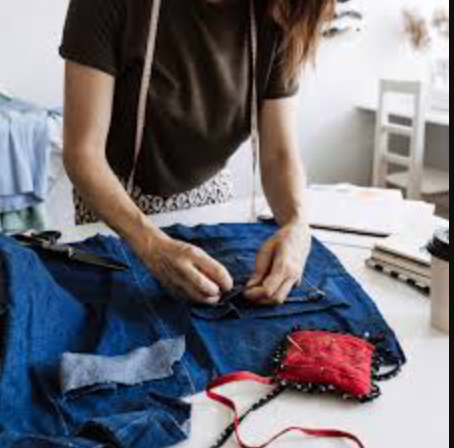
- Old jeans → tote bag or pillow cover
- Wine bottles → hanging lights or vases
- Wood pallets → garden planters or shelves
- T-shirts → reusable grocery bags
- Glass jars → bathroom or kitchen storage
These simple projects reduce waste and let you personalize your space, all while helping the planet.
Why Upcycling Inspires Change
Beyond the environmental benefits, upcycling inspires creativity and community. It encourages people to share ideas, teach workshops, and build local movements focused on sustainability. When people see what’s possible with a little imagination, they’re more likely to make eco-friendly choices in other areas of life, too.
As GreenMatters.com puts it, “Upcycling makes sustainability personal, it turns environmental action into something creative and rewarding.”
Start Upcycling Today
Upcycling proves that sustainable living doesn’t have to be complicated or expensive. Every reused item helps save resources, cut emissions, and reduce waste. Whether you’re painting old furniture, sewing new outfits from thrift finds, or crafting home décor, your efforts matter.
So take a look around your home, what could you transform today?
Start your own upcycling project and share it on Instagram! Tag @_milliegoat to show off your creations and inspire others to join the sustainable living movement.