Upcycling clothes doesn’t have to be complicated. You don’t need a sewing studio, expensive tools, or years of experience. If you have old clothes and a little curiosity, you already have everything you need to start.
This step-by-step guide will walk you through how to start upcycling clothes, even if you’ve never tried it before. Think of this as your simple roadmap from “closet cleanout” to creative reuse.
Step 1: Look at Your Clothes Differently
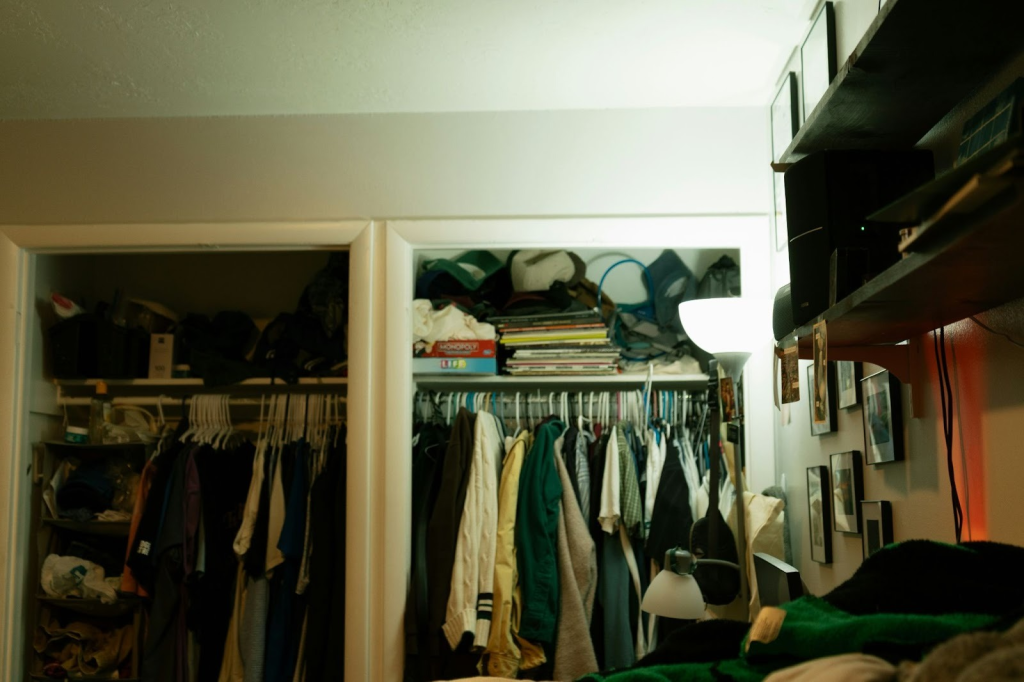
The first step in upcycling clothes is a mindset shift. Instead of asking, “Would I wear this?” ask:
- What else could this become?
- Is the fabric still in good shape?
- Can part of this be reused?
Old jeans might not work as jeans anymore, but the denim could become a bag, patchwork piece, or home décor. A stained t-shirt might still have usable fabric for a tote or lining.
Upcycling starts when you stop seeing clothes as finished products and start seeing them as materials.
Step 2: Choose the Right First Project
One of the biggest mistakes beginners make is starting too big. Confidence grows faster with small wins.
Good first upcycling projects include:
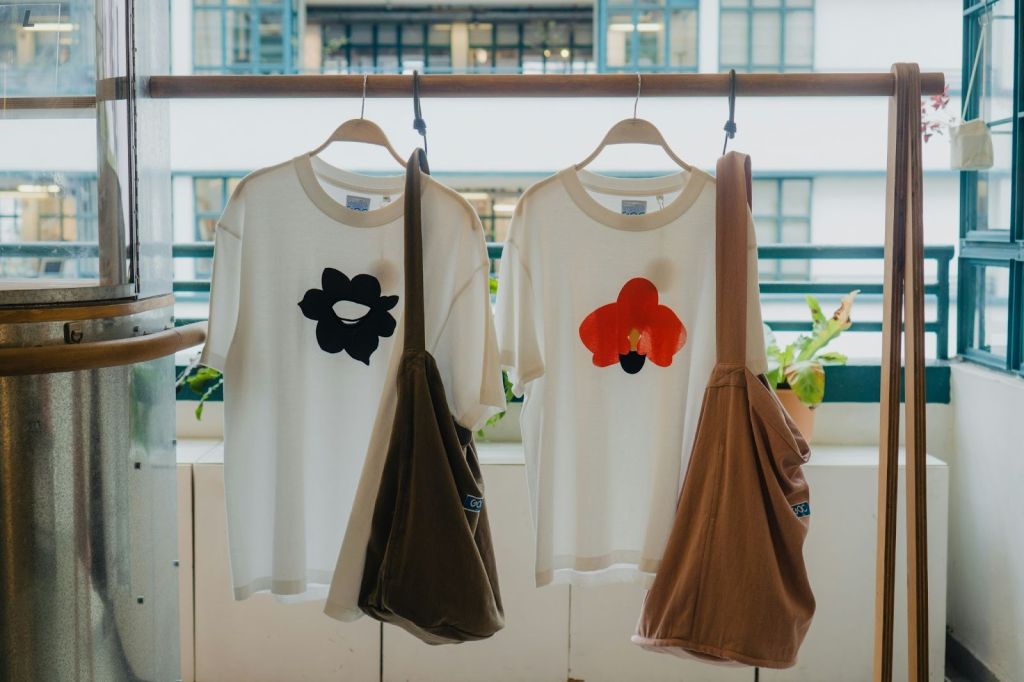
- T-shirts → tote bags or crop tops
- Jeans → pouches, aprons, or patch patches
- Button-ups → tank tops or wrap skirts
- Sweaters → beanies or fingerless gloves
These projects don’t require precision, and many can be done with minimal sewing, or none at all.
If you want a beginner-friendly project list, this guide from Upcycle My Stuff is a great resource for simple ideas that don’t feel overwhelming.
Step 3: Gather Basic Tools (Don’t Overdo It)
You do not need a full sewing setup to start upcycling clothes. Begin with the basics and add tools later if you enjoy the process.
Start with:
- Sharp scissors
- Needle and thread (or fabric glue)
- Pins
- Measuring tape or ruler
- Iron (optional but helpful)
That’s it. Many upcycled clothing projects are forgiving, which makes them perfect for learning.
Step 4: Prep Your Clothing Before Cutting
Before you cut anything, take a few minutes to prepare your garment:
- Wash and dry it
- Lay it flat on a clean surface
- Smooth out wrinkles
- Identify seams, hems, and usable sections
This step helps you avoid uneven cuts and wasted fabric. It also makes it easier to visualize what your final piece will look like.
Step 5: Follow a Simple Process
When you’re new to upcycling clothes, structure helps. Use this basic flow for most projects:
- Decide what you’re making
- Measure and mark before cutting
- Cut slowly and carefully
- Assemble with stitches, glue, or knots
- Try it on or test it
- Make small adjustments if needed
You don’t need perfection. Even slightly uneven stitches or raw edges are part of the charm of upcycled clothing.
Step 6: Learn as You Go (Tutorials Are Your Best Friend)
No one learns upcycling by guessing everything. Watching others helps you move faster and avoid frustration.
Look for:
- YouTube tutorials
- Blog step-by-step guides
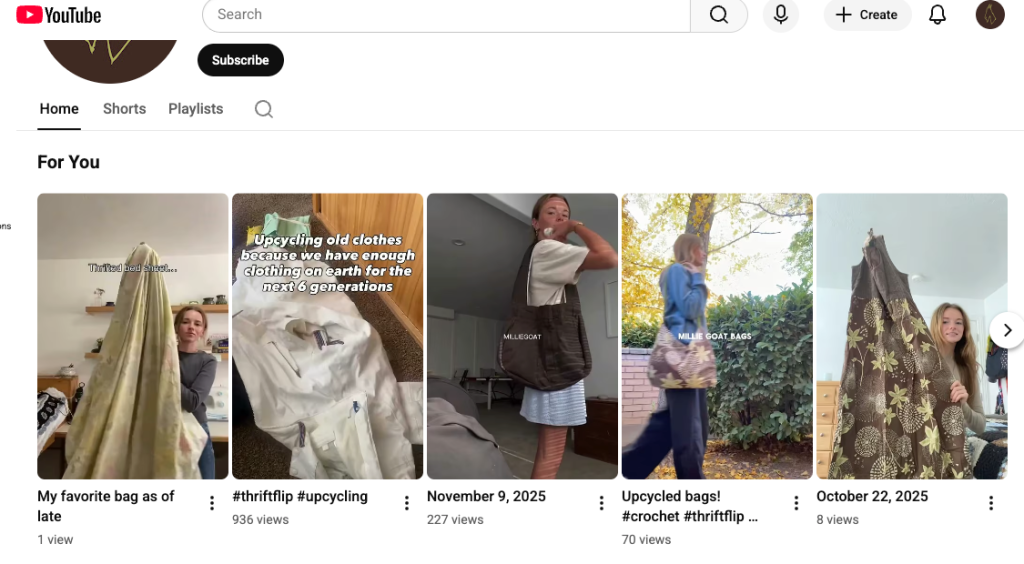
- Social media reels showing process, not just results
Sites like Treehugger also explain why upcycling clothes matters and how it supports sustainable fashion, which can help keep you motivated as you learn.
Step 7: Expect Mistakes (They’re Part of the Process)
Every upcycler has cut something too short, sewn something backwards, or changed plans halfway through. That’s normal.
Mistakes teach you:
- How fabric behaves
- How seams work
- What styles you actually like
Some of the best upcycled pieces come from accidents that turn into design choices.
Step 8: Make It a Habit, Not a One-Time Project
Upcycling clothes becomes easier, and more fun, the more often you do it. Try:
- One project per week
- Saving scraps for future ideas
- Challenging yourself to remake one item per closet cleanout
Over time, you’ll naturally build skills and start spotting upcycling opportunities everywhere.
This is exactly how brands like MillieGoat Bags grow, by consistently turning overlooked materials into thoughtful, functional pieces and sharing that process with a community that values creativity and sustainability.
Step 9: Share, Learn, and Stay Inspired
Upcycling doesn’t have to be a solo activity. Sharing your work helps you stay motivated and learn faster.
You can:
- Post progress photos
- Swap ideas with friends
- Join local or online upcycling communities
- Follow creators who focus on sustainable fashion
Seeing how others upcycle clothes will push your creativity and help you refine your own style.
Start Small, Start Now
You don’t need perfect skills or a perfect plan to start upcycling clothes. Pick one garment, choose one simple project, and take the first step.
Upcycling is about progress, not perfection. Every stitch, cut, and creative choice keeps clothing in use longer and challenges the idea that new is always better.
Ready to keep going?
- Read Upcycling Clothes for Beginners (Easy Ideas)
- Explore the main guide: Upcycling Clothes: How to Give Old Clothing a Second Life
- Follow @_milliegoat on Instagram for tutorials, process videos, and sustainable fashion inspiration