If you’re getting into upcycling clothes, one of the first questions you’ll ask is:
“What clothes are actually worth upcycling?”
Not every garment is a good candidate. Some fabrics are easier to work with, more durable, and more rewarding to transform. This guide breaks down the best clothes to use for upcycling, what to look for, and what to skip, so you don’t waste time or materials.
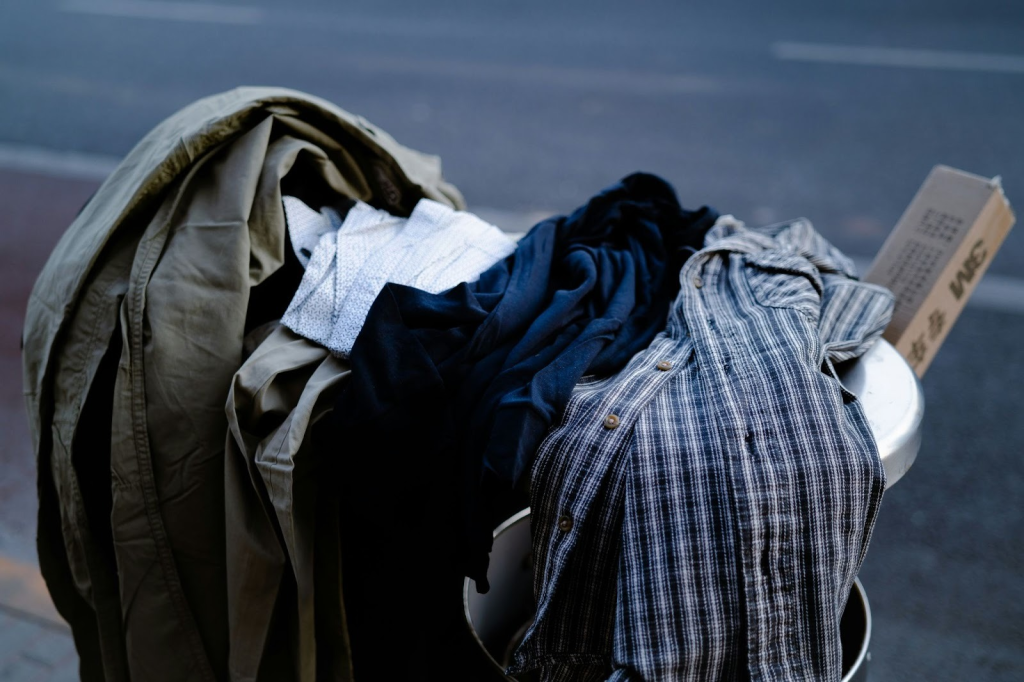
If you’re new to the idea of upcycling clothes and want a full breakdown of what it means, why it matters, and how it fits into sustainable fashion, start with our complete guide on upcycling clothes. It covers everything from environmental impact to creative reuse ideas.
What Makes a Garment Good for Upcycling?
Before we get into specific clothing types, here’s what you should look for in any upcycling piece:
- Fabric is still strong (no dry rot or extreme thinning)
- Minimal stains or damage in large areas
- Natural or sturdy fibers
- Enough fabric to work with
- Interesting details like pockets, buttons, or seams
If a garment checks most of these boxes, it’s a solid choice for clothing upcycling.
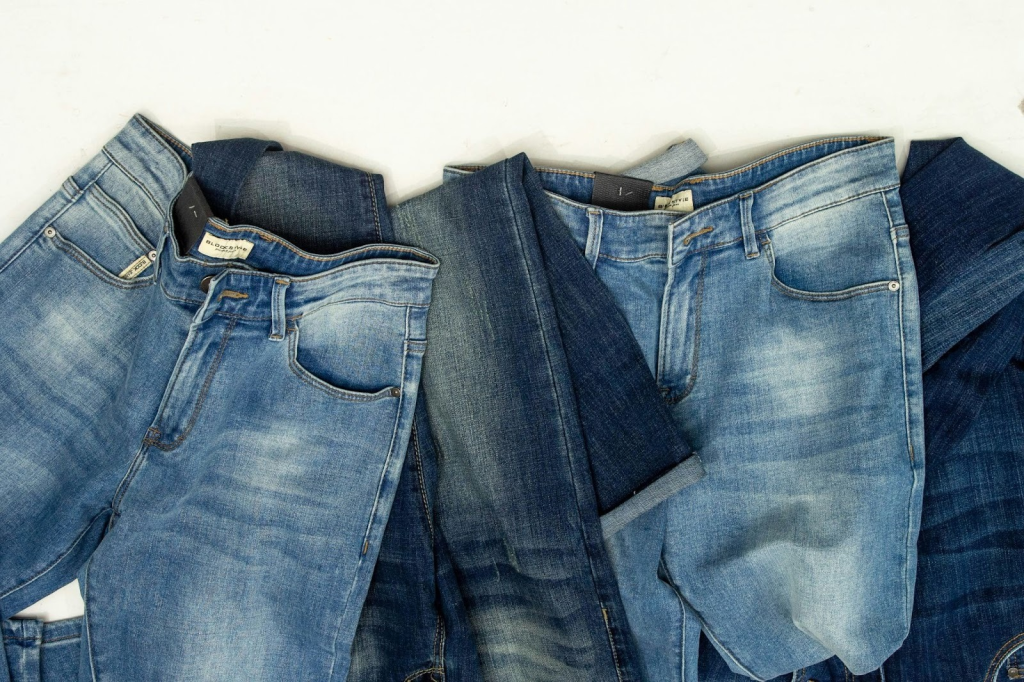
1. Denim (One of the Best Fabrics for Upcycling)
Denim is hands down one of the best materials to upcycle.
Why it works so well:
- Extremely durable
- Easy to cut and sew
- Holds structure for bags and accessories
- Ages well and tells a story
Great denim upcycling ideas:
- Tote bags and backpacks
- Patchwork skirts or jackets
- Aprons, pillow covers, or storage bins
- Keychains and straps from scraps
Even jeans with ripped knees are usable, just cut around the damage.
2. Cotton T-Shirts and Jerseys
Old t-shirts are perfect for beginners and quick projects.
Why they’re great:
- Soft and easy to manipulate
- No fraying when cut
- Ideal for no-sew projects
- Usually free (already in your closet)
What to make:
- Tote bags
- Crop tops
- Headbands
- Quilted patchwork panels
Graphic tees are especially valuable, logos, prints, and memories add personality to your final piece.
3. Button-Up Shirts (Especially Men’s Shirts)
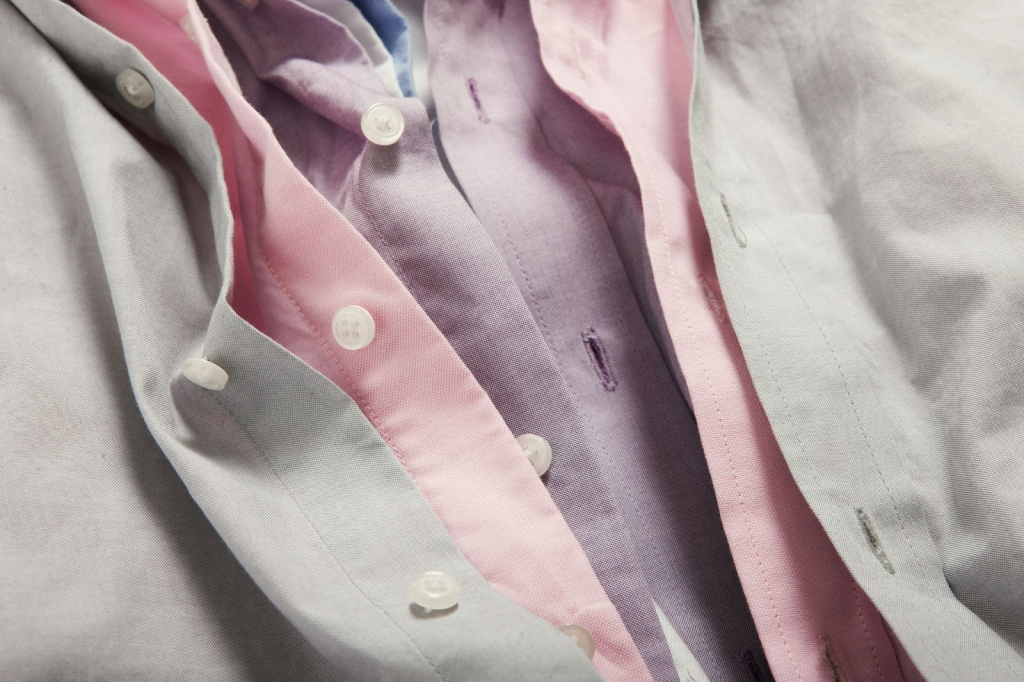
Oversized button-ups are a goldmine for upcycling clothes.
Why they work:
- Large flat panels of fabric
- Built-in details (buttons, cuffs, collars)
- Easy to reshape into new silhouettes
Upcycling ideas:
- Wrap tops or dresses
- Tank tops
- Skirts
- Bags or pillowcases
Thrift stores are full of these, which makes them perfect for experimenting without pressure.
4. Sweaters and Knitwear
Old sweaters are ideal for cozy projects, especially if they’re wool or thick knits.
Best uses:
- Beanies
- Mittens or fingerless gloves
- Pillow covers
- Patchwork jackets
Sweaters with holes can still be used creatively by cutting around damaged areas. Some people intentionally felt wool sweaters to make them even sturdier.
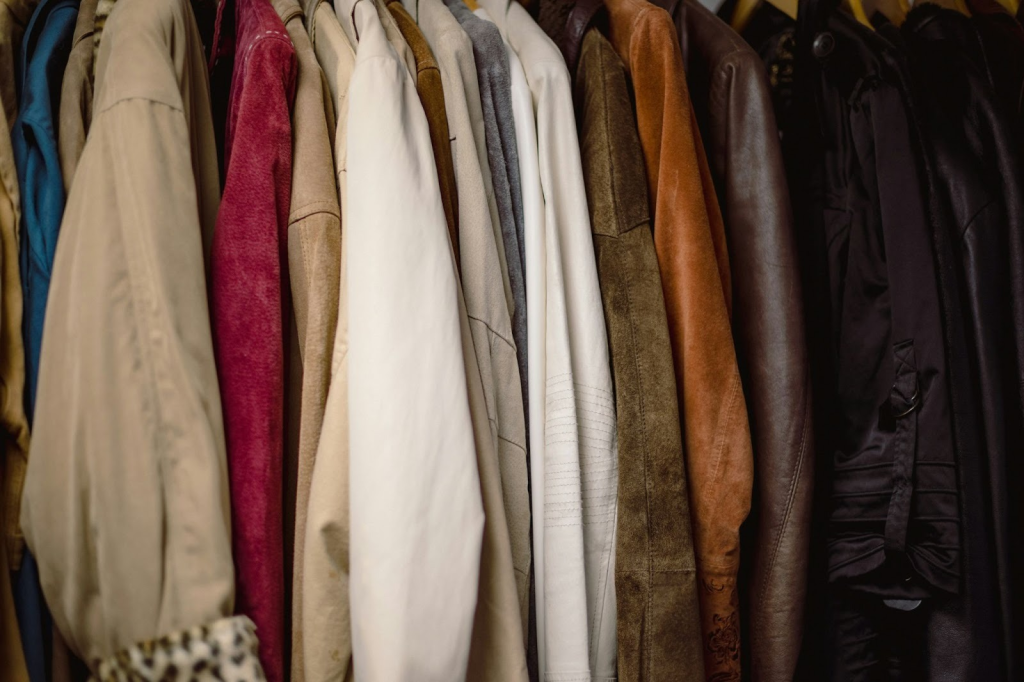
5. Jackets and Coats (For Intermediate Upcyclers)
If you’re ready to level up, jackets offer amazing potential.
Why they’re worth it:
- High-quality materials
- Lining fabric included
- Structured shapes
- Unique hardware
What to make:
- Bags and backpacks
- Cropped jackets
- Vests
- Statement patchwork pieces
Even if the jacket no longer fits, the fabric and details can live on in something new.
6. Natural Fabrics Are Your Best Friend
When possible, choose garments made from:
- Cotton
- Denim
- Linen
- Wool
These fabrics are easier to sew, more breathable, and last longer after being upcycled.
According to Treehugger, extending the life of clothing through reuse and upcycling significantly reduces textile waste and environmental impact, especially compared to synthetic fast-fashion materials:
Clothes You Should Usually Skip
Some clothes can be upcycled, but they’re harder for beginners and less rewarding.
Be cautious with:
- Very thin or stretched-out fabrics
- Cheap synthetics that melt or fray easily
- Garments with heavy stains throughout
- Extremely worn elastic or seams
That doesn’t mean they’re trash, but they’re better saved for scrap use once you have more experience.
Thrift Store Tips for Finding Good Upcycling Clothes
If you shop secondhand, keep these tips in mind:
- Look at fabric quality, not size
- Check seams and stress points
- Ignore trends, focus on material
- Buy oversized for more usable fabric
Thrift shopping for upcycling is about potential, not perfection.
Start With What You Already Own
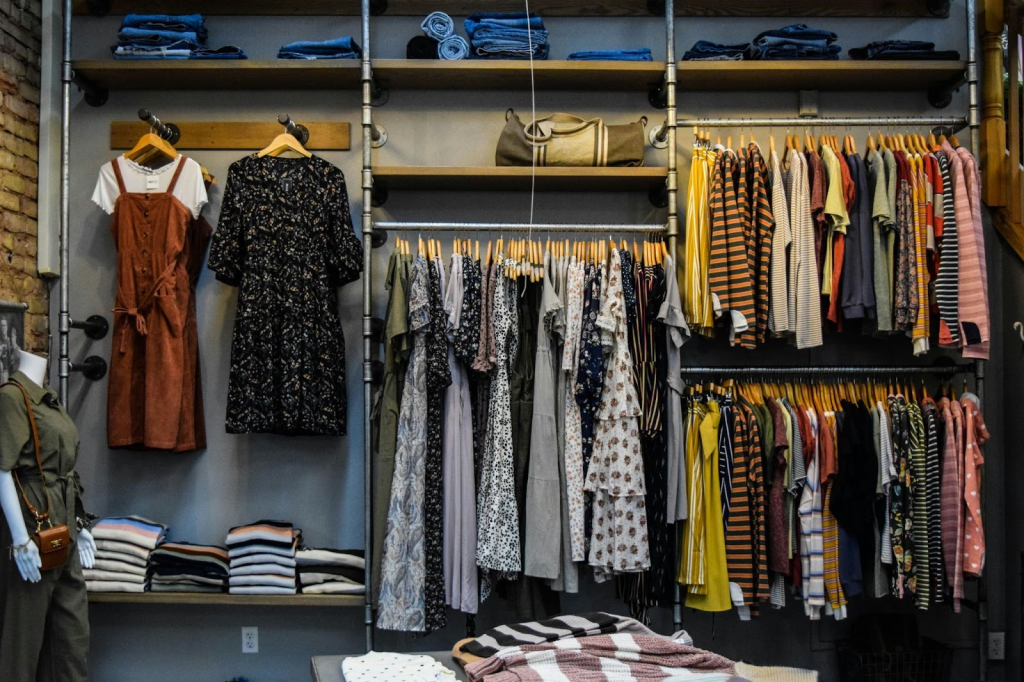
Before buying anything, shop your own closet. Clothes you already have often hold more meaning, which makes the upcycled result even more special.
That emotional connection is a big part of why upcycling clothes feels so different from buying new. You’re not just making something, you’re continuing a story.
The Right Clothes Make Upcycling Easier
Choosing the right garments can be the difference between frustration and fun. Start with forgiving fabrics, simple shapes, and pieces you’re excited to experiment with.
As your skills grow, so will your confidence, and soon, you’ll see upcycling opportunities everywhere.
Ready to take the next step?
- Read How to Start Upcycling Clothes (Step-by-Step)
- Explore Upcycling Clothes for Beginners (Easy Ideas)
- Check out MilleGoat bags to see handmade upcycled bags
- Follow @_milliegoat for real-life upcycling projects and inspiration