Most closets are full of clothes that don’t get worn anymore. Maybe they don’t fit. Maybe they’re out of style. Maybe they’re slightly damaged but still usable. Instead of throwing these clothes away, there’s a better option: upcycling them!
Upcycling clothes means taking old or unwanted garments and turning them into something new, useful, and creative. It gives clothing a second life and helps reduce waste. It also pushes back against fast fashion and encourages more thoughtful choices about what we buy and wear.
What Does Upcycling Clothes Mean?
Upcycling clothes means transforming old clothing into something new without breaking the fabric down into raw materials. Instead of recycling clothes, which often requires factories and energy-heavy processes, upcycling keeps the original fabric mostly intact.
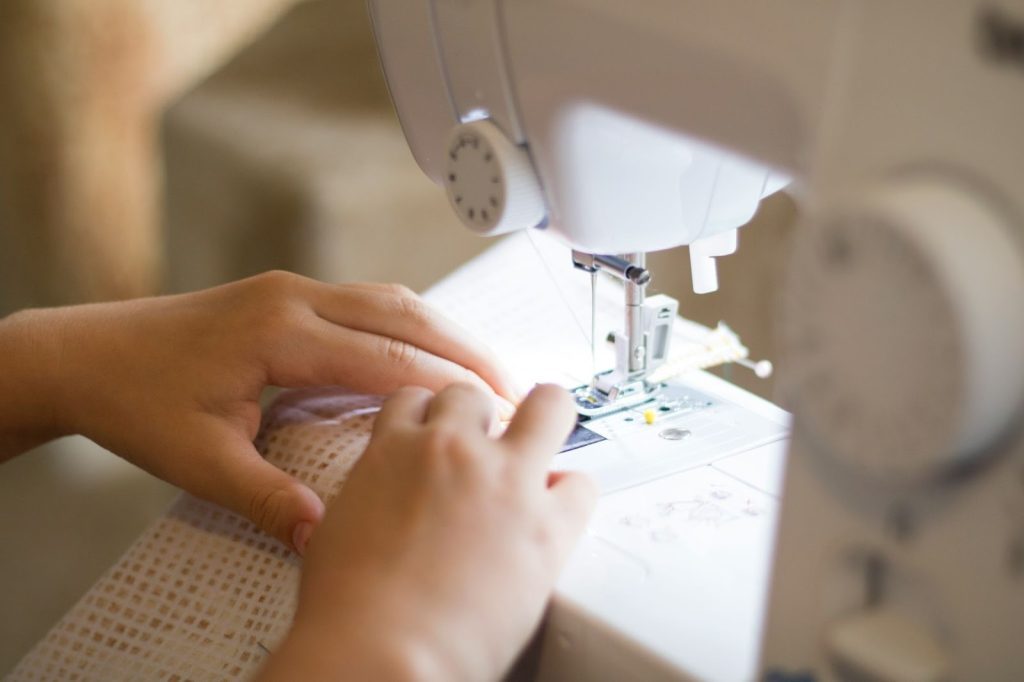
When you upcycle old clothes, you:
- Reuse materials that already exist
- Improve or change their function
- Add value through creativity
For example:
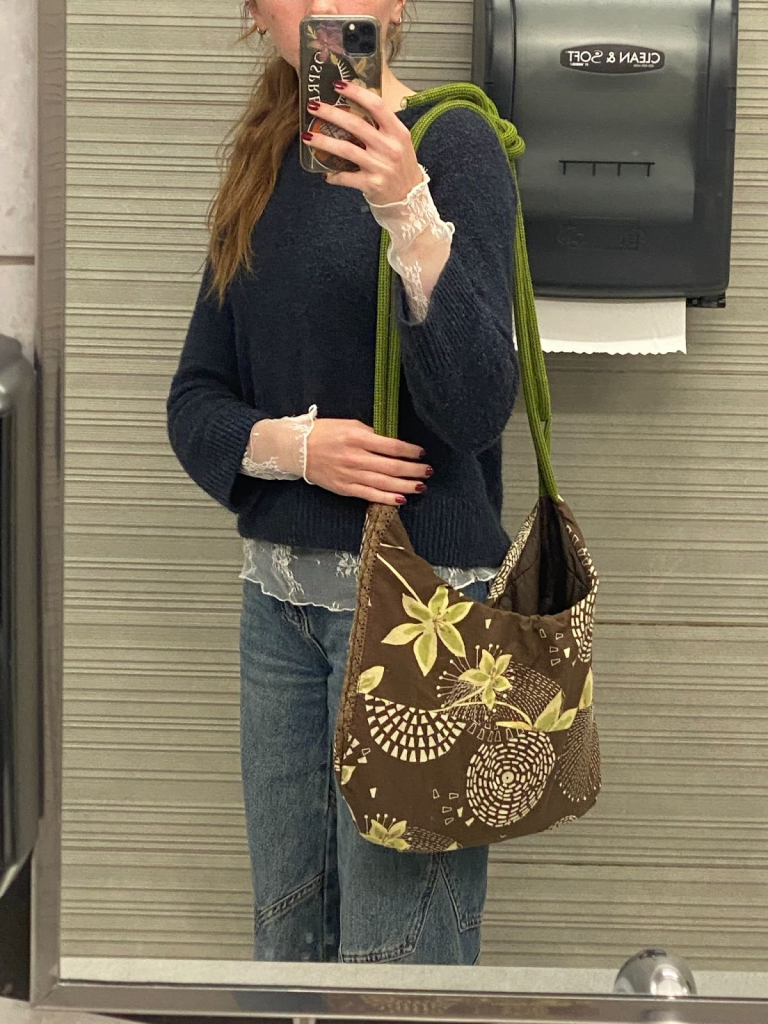
- Turning a t-shirt into a tote bag
- Making a backpack from old jeans
- Creating patchwork jackets or skirts
- Using fabric scraps for home décor
Clothing upcycling focuses on creative reuse. It’s about seeing potential in garments that might otherwise be thrown away.
Why Upcycling Is Important
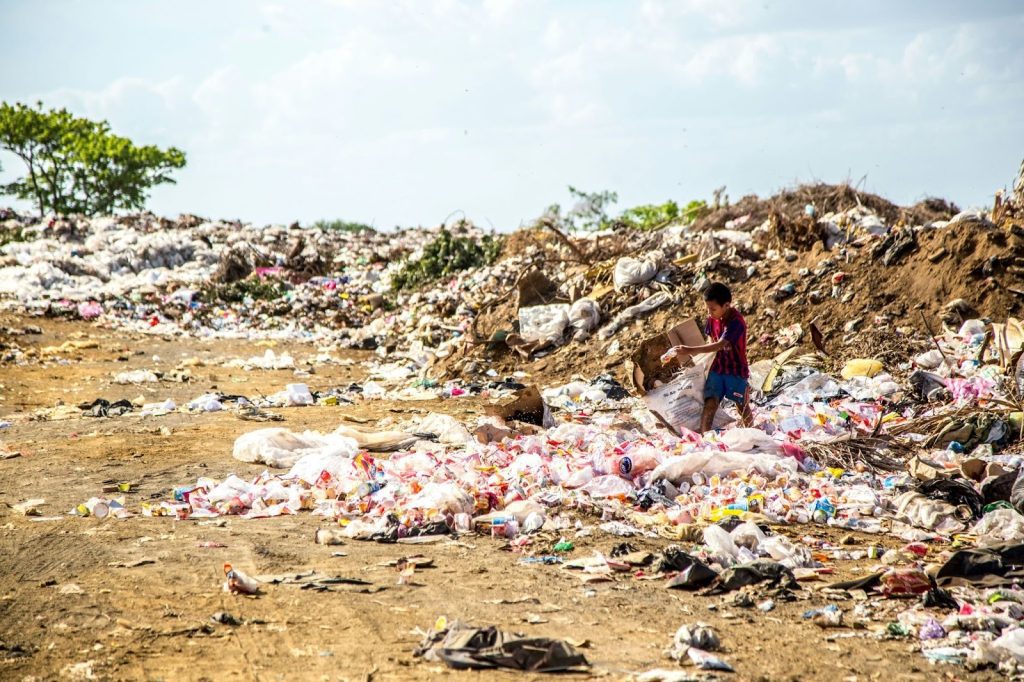
The fashion industry creates massive amounts of textile waste. Millions of tons of clothing end up in landfills every year. And many of the items are made from synthetic fabrics that take decades, or longer, to break down.
Fast fashion makes this problem worse. Brands produce clothes quickly and cheaply, encouraging people to buy more and keep items for less time.
Upcycling clothes helps solve this problem.
Key reasons it matters:
1. It reduces waste
Every upcycled item keeps clothing out of landfills.
2. It saves resources
Making new clothes requires water, energy, and raw materials. Upcycling uses what already exists.
3. It supports sustainable fashion
Upcycling promotes slower, more mindful consumption.
4. It challenges fast fashion
Instead of chasing trends, upcycling values creativity and longevity.
5. It empowers individuals
Anyone can upcycle clothes, no brand or factory required.
Upcycling clothes is a practical way to care for the planet while expressing personal style.
Is Upcycling Better Than Recycling Clothes?
In most cases, yes.
Recycling clothes often involves shredding fabric or breaking it down chemically. This process uses energy and doesn’t always work well, especially for blended fabrics.
Upcycling clothes:
- Requires little energy
- Can be done at home
- Keeps fabric quality intact
- Extends the life of clothing
While recycling still has value, upcycling old clothing is often the most sustainable option.
Why Upcycling Clothes Is Sustainable
Upcycling clothes supports sustainable fashion by keeping materials in use for as long as possible. This approach fits into a circular fashion system, where clothing gets reused instead of discarded.
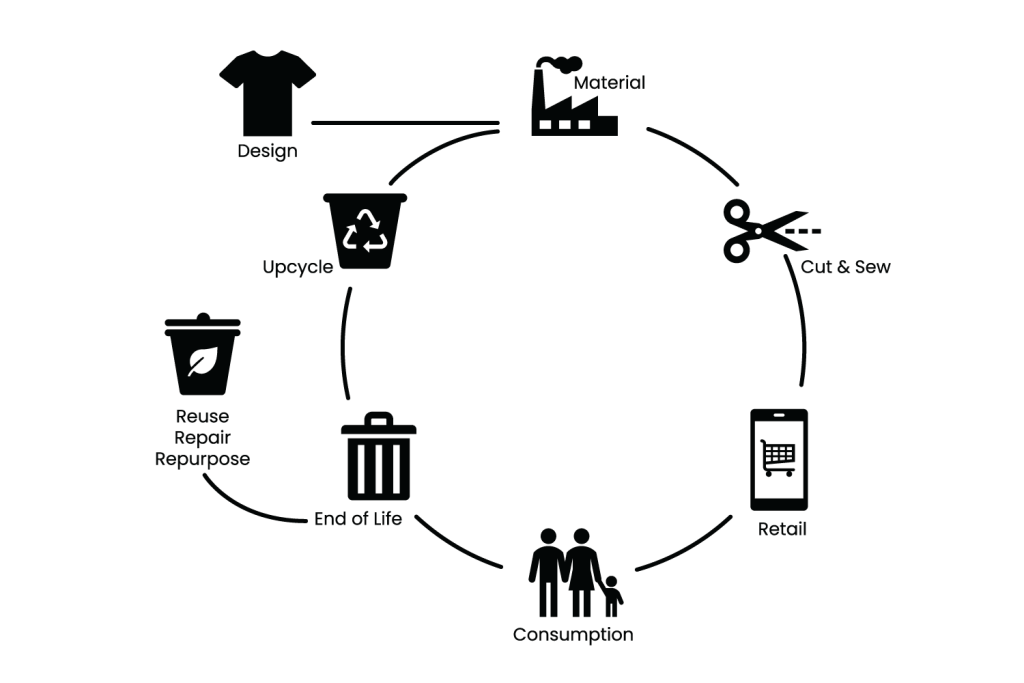
Upcycling reduces:
- Carbon emissions
- Water usage
- Demand for new fabric
- Dependence on mass production
By choosing clothing upcycling, you actively reduce your environmental impact.
What Can You Make From Old Clothes?
Many people think upcycled clothing looks messy or impractical. In reality, upcycling clothes offers endless possibilities.
Popular upcycling ideas include:
- Tote bags and backpacks
- Patchwork jackets
- Quilts and blankets
- Pillow covers and fabric baskets
- Beanies, scarves, and gloves
- Wall art and home decor
- Scrunchies, headbands, and accessories
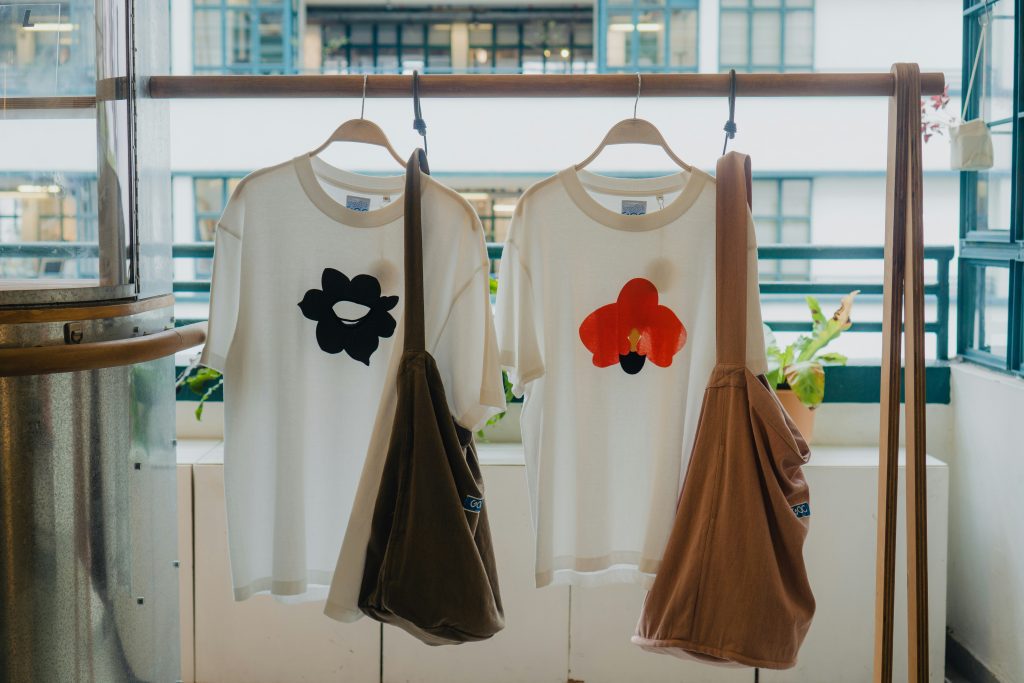
Even clothes with stains or holes can be used. Often, only small sections of fabric are needed to create something new.
New to upcycling? Start simple. Our Upcycling Clothes for Beginners guide shares easy, low-stress ideas you can try even if you’ve never sewn before — perfect for building confidence without expensive tools.
Clothes that are great for upcycling include:
T-shirts
Easy to cut, soft, and flexible. Perfect for beginners.
Jeans
Durable and long-lasting. Great for bags and heavy-duty projects.
Button-up shirts
Offer large fabric panels and structure.
Sweaters
Ideal for cozy accessories and winter items.
Dresses and skirts
Easy to alter or reshape.
If you want a deeper breakdown, we cover this fully in our guide on best clothes to use for upcycling.
Easy Ideas for Beginners
If you’re new to upcycling clothing, start simple. You don’t need advanced skills or expensive tools.
Beginner-friendly projects include:
- No-sew tote bags
- Crop tops from t-shirts
- Fabric headbands
- Pillow covers
- Simple patchwork projects
For even more easy ideas, this external resource is very helpful: Upcycling Clothes: The Ultimate Guide for Beginners from Upcycle My Stuff. It offers simple, low-pressure ideas that are perfect if you’re just starting out.
Can You Upcycle Clothes Without Sewing?
Yes, you can upcycle clothes without sewing.
Many clothing upcycling projects use:
- Fabric glue
- Iron-on patches
- Cutting and tying methods
- Safety pins or snaps
No-sew projects make upcycling accessible to everyone. Sewing skills help, but they aren’t required.
How to Start Upcycling your old Clothes (Simple Steps)
Starting doesn’t need to feel overwhelming. Follow these steps:
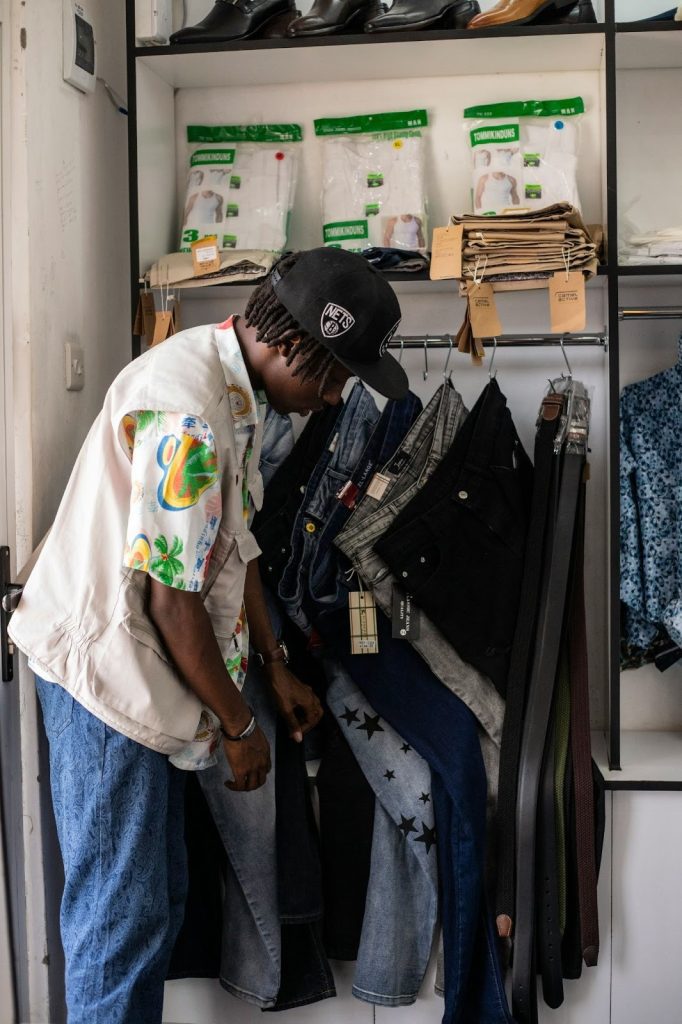
Step 1: Shop Your Closet
Look for clothes you don’t wear anymore.
Step 2: Pick One Item
Choose one garment to focus on.
Step 3: Decide What It Could Become
Think small and practical.
Step 4: Gather Basic Tools
Scissors, fabric glue, or a needle and thread.
Step 5: Start Creating
Don’t aim for perfection. Learn as you go.
We explain this process in detail in How to Start Upcycling Clothes Step-by-Step.
Common Upcycling Clothes Mistakes to Avoid
Beginners often make the same mistakes. Avoid these to stay motivated:
- Starting with complicated projects
- Cutting fabric without planning
- Expecting perfection
- Throwing away scraps too soon
Upcycling works best when you stay patient and curious.
Upcycling Clothes and Circular Fashion
Circular fashion focuses on keeping materials in use instead of throwing them away. Upcycling clothes plays a major role in this system.
Instead of buying new items, circular fashion encourages:
- Reuse
- Repair
- Creative transformation
Upcycled clothing supports secondhand markets and reduces demand for new production.
The Emotional Value of Upcycling Old Clothes
Reusing old clothes isn’t just about sustainability. It’s also emotional.
Old garments often hold memories, concerts, trips, special moments. Upcycling allows you to keep those memories alive in a new form.
Each upcycled item becomes personal and meaningful. That’s something mass-produced clothing can’t offer.
Upcycling Clothes as a Lifestyle Choice
Once people start, many shift how they think about shopping. They buy less, choose better quality items, and value longevity over trends.
Upcycling encourages:
- Creativity
- Mindful consumption
- Personal expression
It turns fashion into something intentional instead of disposable.
How MillieGoat Bags Uses Upcycling Clothes
At MillieGoat Bags, upcycling clothes is the foundation of everything we create. Each piece starts with reclaimed materials that would otherwise go to waste.
By transforming old garments into functional bags and accessories, we show how sustainable fashion can be stylish, durable, and meaningful.
This process supports sustainable fashion while creating one-of-a-kind products.
Small Actions Make a Big Difference
You don’t need to upcycle your entire wardrobe to make an impact. Even one upcycled item reduces waste and supports better fashion habits.
When more people choose to upcycle old clothes, the effects multiply:
- Less textile waste
- Lower emissions
- Reduced fast fashion demand
Upcycling proves that small actions matter.
Ready to Start Upcycling Clothes?
If you’re curious about your own habits, take our quiz:
“Are You Sustainable or Just Following Trends?”
Then explore our beginner resources:
- Upcycling Clothes for Beginners (Easy Ideas)
- How to Start Upcycling Clothes Step-by-Step
- Best Clothes to Use for Upcycling
For tutorials, real projects, and behind-the-scenes content, follow @_milliegoat on Instagram
Upcycling clothes isn’t about perfection.
It’s about creativity, sustainability, and making the most of what you already have.