Sustainable fashion is no longer a niche trend, it’s becoming the future of the fashion industry. As we head into 2026, more consumers are questioning where their clothes and accessories come from, how they’re made, and how long they’ll actually last. Fast fashion is slowly losing its appeal, while thoughtful, eco-friendly choices are gaining momentum.
At Millie Goat Bags, sustainability has always been more than a buzzword. It’s about creating and choosing pieces that are made with care, creativity, and intention. Looking ahead to 2026, several sustainable fashion trends are shaping how we dress, shop, and care for what we own. These trends focus on longevity, individuality, and reducing waste, without sacrificing personal style.
Here are the top sustainable fashion trends to watch in 2026, and why they matter.
1. Vintage and Secondhand Accessories Take Center Stage
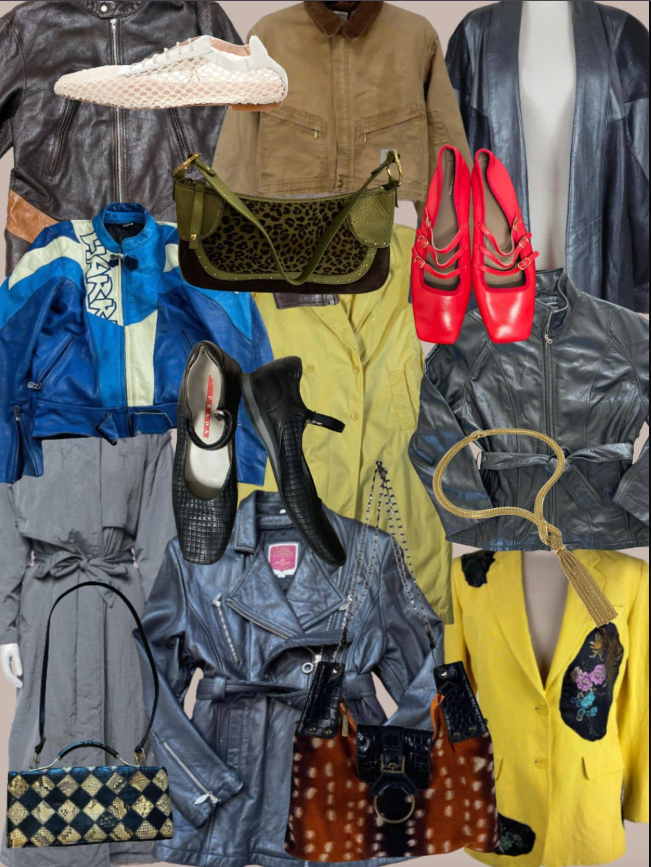
One of the biggest sustainable fashion trends for 2026 is the continued rise of vintage and secondhand accessories. From thrifted handbags to pre-loved belts and scarves, shoppers are embracing items with history and character.
Choosing vintage accessories is one of the most eco-friendly fashion decisions you can make. It keeps items out of landfills, reduces demand for new production, and often results in better-quality pieces than many mass-produced alternatives. Vintage bags, in particular, are often made with durable materials and craftsmanship that’s hard to find today.
Fashion sustainability researcher Elizabeth Cline explains, “The most sustainable garment is the one that already exists.” This idea perfectly captures why secondhand fashion continues to grow, it’s practical, accessible, and impactful.
Beyond sustainability, secondhand accessories allow people to express their individuality. Instead of following fast-changing trends, shoppers are gravitating toward unique finds that tell a story. This shift reflects what we’ve already discussed in our post on why thrifting is the future of fashion, where personal style meets environmental responsibility.
2. Slow Fashion Over Fast Fashion
The slow fashion movement continues to gain traction as we move into 2026. Consumers are becoming more aware of the environmental and ethical impacts of fast fashion, including textile waste, poor labor conditions, and overproduction.
Slow fashion encourages buying fewer items and choosing higher-quality pieces that are made to last. Instead of chasing every trend, shoppers are investing in timeless designs, ethical brands, and handmade products that won’t go out of style after one season.
According to sustainable fashion advocate Livia Firth, “Fast fashion isn’t free, someone somewhere is paying for it.” In response, more consumers are choosing brands that value transparency, fair labor, and sustainability.
This trend strongly supports small businesses and independent makers. Supporting brands that focus on craftsmanship aligns closely with our belief in supporting local and handmade businesses, which helps reduce environmental impact while strengthening communities.
3. Repair, Reuse, and Care Culture Becomes the Norm
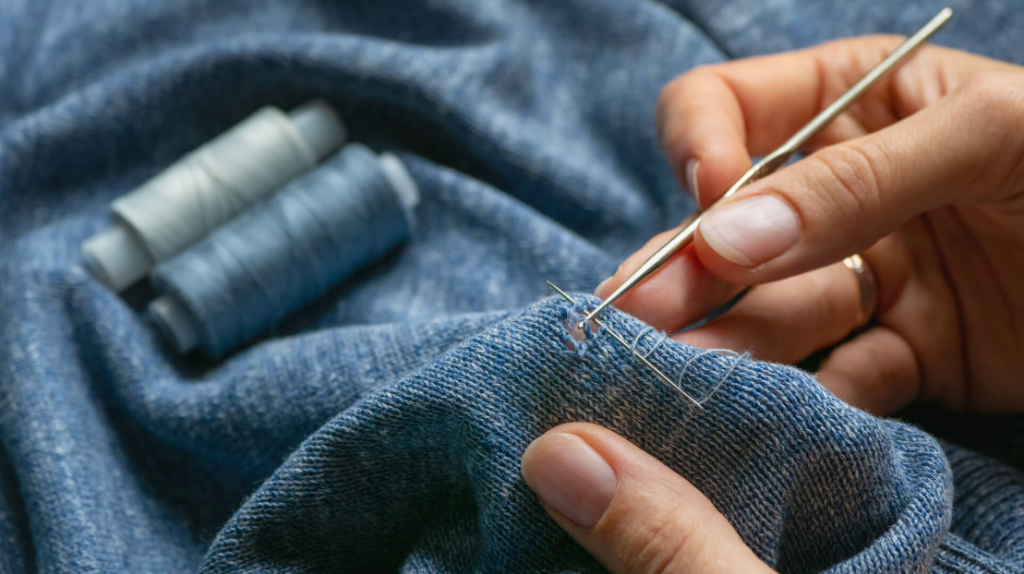
Another key sustainable fashion trend in 2026 is the growing culture of repair and maintenance. Instead of tossing items when they show wear, more people are learning how to care for, fix, and extend the life of what they already own.
This includes repairing broken straps, replacing linings, polishing hardware, or refreshing a bag with creative details. Fashion writer Aja Barber notes, “Loving your clothes means taking care of them.” This mindset shifts fashion away from disposability and toward responsibility.
Repair culture helps reduce waste and encourages people to build a stronger emotional connection to their belongings. When items are repaired instead of replaced, fashion becomes more personal, and far more sustainable.
4. Upcycling and Creative Redesign
Upcycling continues to be a major force in sustainable fashion, and it’s expected to grow even more in 2026. Upcycled fashion involves transforming old or unused materials into something new, functional, and stylish.
This trend celebrates creativity and individuality. Designers and everyday consumers are reimagining what fashion can be by repurposing fabrics, accessories, and bags that might otherwise be discarded. No two upcycled pieces are exactly the same, which adds to their appeal.
Environmental designer Orsola de Castro, co-founder of Fashion Revolution, states, “Upcycling is not a trend, it’s a mindset.” That mindset reflects a growing desire to create rather than consume.
If you’re interested in trying this yourself, our post on upcycling as a sustainable way to refresh your wardrobe offers approachable ideas for giving old items new life.
5. A More Conscious Consumer Mindset
Perhaps the most important sustainable fashion trend for 2026 isn’t about a specific style, it’s about a mindset shift. Consumers are becoming more intentional with their purchases, asking questions like:
- Who made this?
- What materials were used?
- How long will this last?
- Do I really need it?
This conscious approach to shopping encourages people to support ethical brands, choose eco-friendly materials, and avoid impulse purchases. Fashion educator Dana Thomas explains, “We don’t need more clothes, we need better clothes.”
As shoppers become more informed, they’re realizing that sustainability doesn’t mean giving up style. It means aligning fashion choices with personal values and long-term impact.
Why These Trends Matter
Sustainable fashion trends for 2026 reflect a larger movement toward responsibility, creativity, and care. They show that fashion doesn’t have to be harmful to be stylish, it can be meaningful, expressive, and environmentally conscious.
These trends also remind us that sustainability isn’t about perfection. It’s about progress. Choosing to thrift, repair, upcycle, or support handmade brands are small steps that collectively make a big difference.
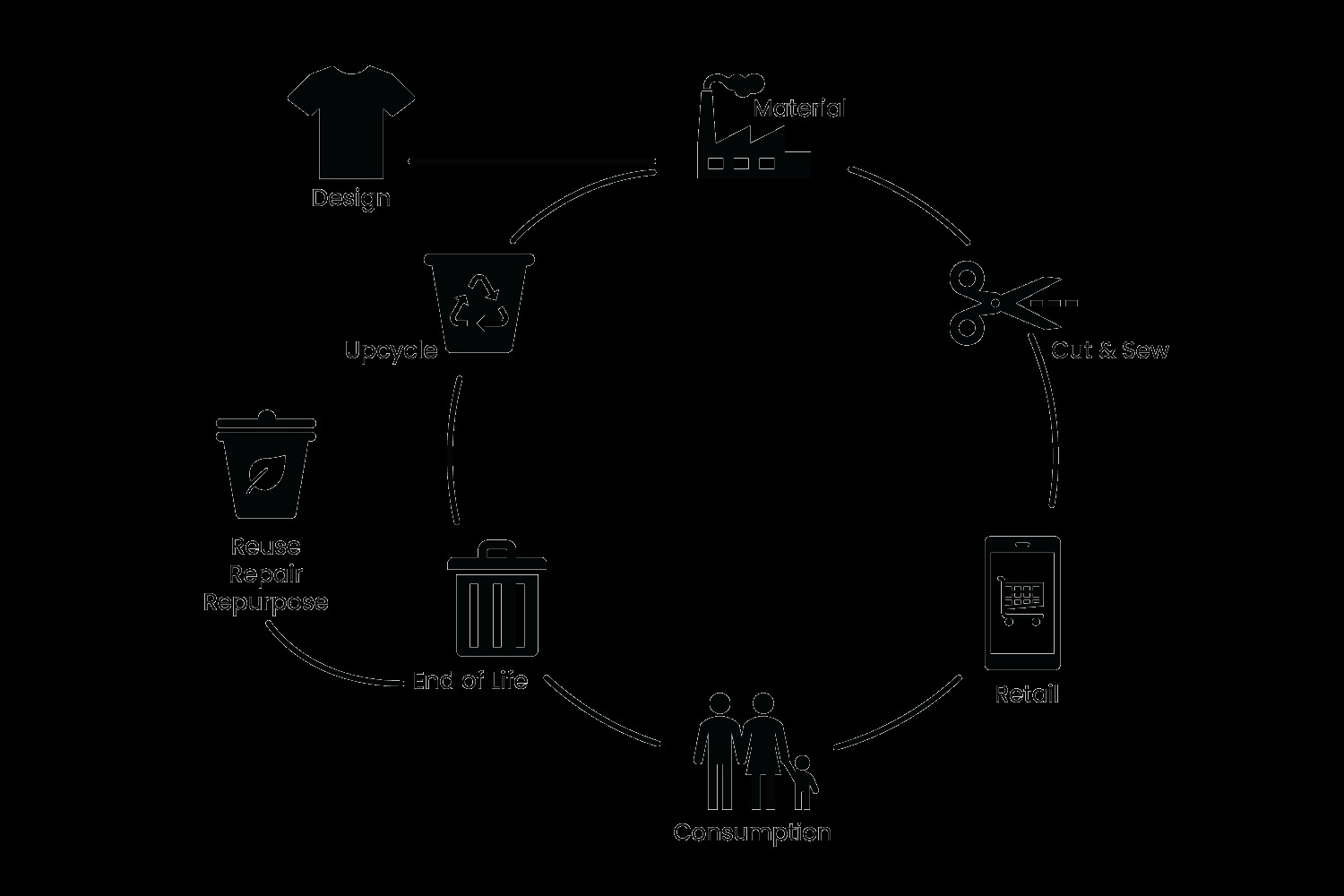
As we look ahead to 2026, sustainable fashion continues to evolve in exciting and inspiring ways. Vintage accessories, slow fashion, repair culture, upcycling, and conscious consumerism are shaping a future where style and sustainability go hand in hand.
At Millie Goat Bags, we believe fashion should feel good, not just in how it looks, but in how it’s made and the impact it leaves behind. By embracing these sustainable fashion trends, we can all play a part in creating a more thoughtful and responsible fashion industry.
Which sustainable fashion trend are you most excited to embrace in 2026?