In recent years, thrifting has shifted from a niche hobby to a cultural movement. Social media is flooded with “thrift haul” videos, and influencers champion secondhand finds as style statements. Meanwhile, the global resale apparel market climbed from $138 billion in 2021 to $211 billion in 2023, with forecasts estimating it will hit $351 billion by 2027.
Fashion for the Earth
What’s fueling this surge? It’s not just about cost savings. Thrifting offers a powerful combination of environmental, social, and personal benefits, making it one of the clearest pathways toward sustainable fashion. Here are ten compelling reasons why thrifting merits a permanent place in your wardrobe strategy.
1. Save Money
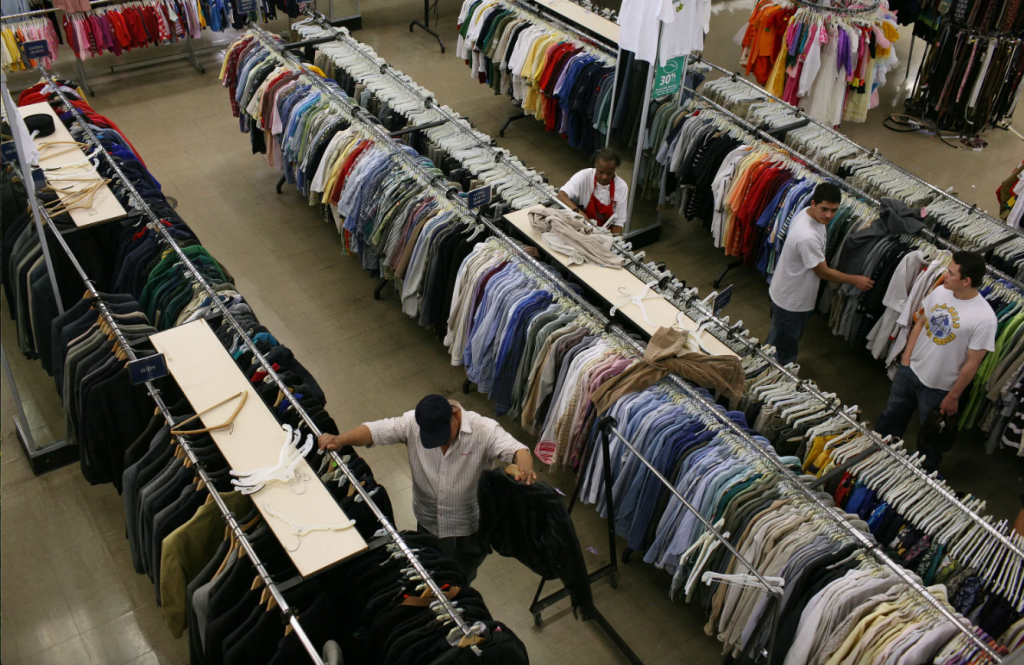
One of the most obvious thrifting benefits is financial: you can find name-brand and quality garments at a fraction of their retail cost. Many shoppers enter a thrift shop expecting bargain surprises, and they often find them. It’s not uncommon to score designer labels, vintage pieces, or basic wardrobe staples for a few dollars.
2. Reduce Waste & Support Sustainable Fashion
The fashion industry is a major contributor to environmental damage: it’s responsible for nearly 10% of global carbon emissions, more than aviation and shipping combined.Fast Fashion Quotes
By choosing secondhand, you reduce demand for new production and help extend the life of clothing. As the EarthDay article puts it, thrifting “keeps clothing in circulation” and offers “a sustainable alternative to purchasing new fast fashion clothes.”Unraveling the Impact of Thrifting
GreenMatters quotes Chloe Baffert (Poshmark) on this point: “Secondhand shopping keeps an item out of landfills and preserves the resources and labor required to make a new item.” Green Matters. Every reused garment is one less item manufactured from raw materials, one less load of dye wastewater, one less mile of shipping.
3. Discover Unique, Vintage & Rare Finds
One exciting aspect of thrifting is the element of surprise. Vintage dresses, retro band tees, or quirky home goods, when you walk into a thrift store, you never know what gem you’ll unearth.
As Susan Flaherty, manager of a charity shop in Galway, told Earth.org: “It’s not just anything and everything for sale. The standards are higher, and the clothes’ quality is better than in the past.”That means thrift shops are increasingly curated to appeal to modern shoppers, not just bargain hunters.
4. Support Local Charities & Small Businesses
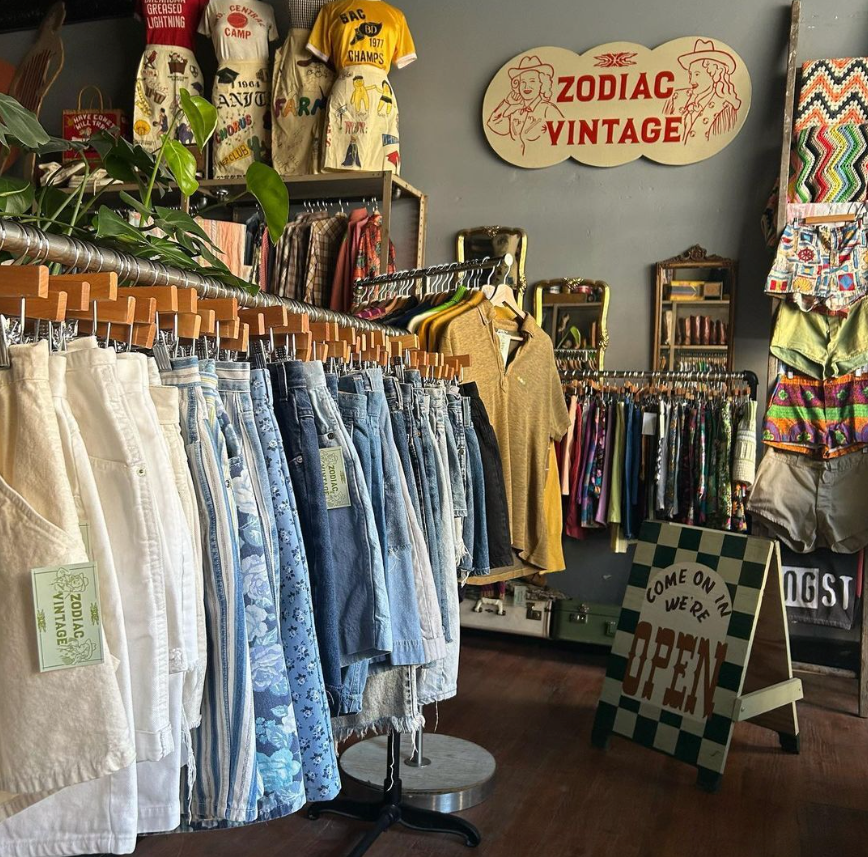
Many thrift stores are run by nonprofits, charities, or local social enterprises. When you shop there, your dollars often support vocational training, community programs, or social services. In addition, choosing small, independent thrift stores helps sustain local ecosystems rather than funnelling all consumption into massive corporate channels.
5. Express Creativity & Build Your Personal Style
Because thrift stores are a mix of eras, brands, and aesthetics, they invite experimentation. You might pair a 1970s blazer with modern jeans, or find a vintage scarf to elevate a minimalist outfit. This freedom to mix and match encourages you to define your personal style, rather than chasing every fast-fashion trend.
6. Higher Quality Clothing for Less
Older garments (especially vintage ones) were often constructed with more durable fabrics and stitching than many mass-produced modern items. By shopping secondhand, you can sometimes get higher craftsmanship at lower cost. And because thrift shops are becoming more selective: “I’m strict on what goes out — if I wouldn’t wear the item myself, it doesn’t go on the shop floor.” Earth.Org
7. Thrifting as a Social Media Trend
Thrift hauls, before-and-after upcycles, and “I found this in a thrift store” posts are everywhere on TikTok and Instagram. These formats make thrifting feel fun, communal, and aspirational. As resale markets grow, younger consumers are adopting thrifting as a fashionable statement rather than a fallback for tight budgets.
8. Easy Access to Online Thrifting Apps
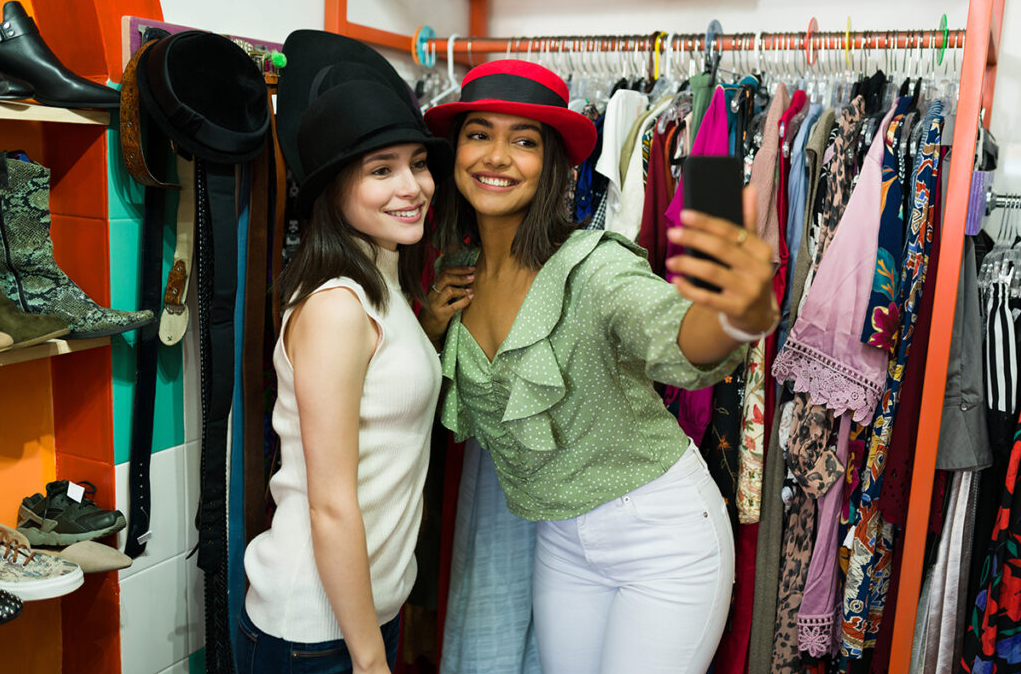
You no longer have to step into a physical store to thrift. Apps and platforms like Depop, Poshmark, ThredUp, and others make buying and selling pre-loved items as seamless as shopping fast fashion. Online thrift platforms aggregate listings from across regions, letting you compare styles, sizes, and prices with convenience.
9. Community, Storytelling & Shared Experiences
Every thrifted item carries a story: who owned it, how it was worn, where it’s been. That narrative adds emotional value. Thrift shops also foster community. People swap tips, share discoveries, help one another choose outfits. The experience can feel more human than algorithm-driven shopping carts.
10. The Fun of Treasure Hunting
Part of thrifting’s magic is the thrill of the hunt. You might spend minutes or hours browsing racks, not knowing whether you’ll discover a perfect piece. That sense of anticipation and delight is harder to replicate with fast fashion, where inventory is predictable and endless.
Thrift Smart…
Thrifting isn’t perfect, and it doesn’t completely solve the problems of overconsumption. A few caveats:
- Not all donated items are sold — many thrift stores can only resell 10–30% of what they receive.The fate of unwanted donations
- Some thrift stock comes from fast fashion brands, meaning the quality issues may persist.
- The environmental gains depend on how long items stay in use — if people thrift more but discard faster, the benefit is reduced.
Still, as part of a broader shift toward mindful consumption, thrifting is a powerful tool.
Thrifting is more than a budget trick, it’s a movement. It offers financial freedom, creative expression, and real environmental impact. It strengthens local communities, gives stories to clothes, and reclaims fast fashion’s waste-heavy cycle.
You don’t need to overhaul your wardrobe overnight. Start small:
-Visit a local thrift shop this weekend.
-Explore online resale apps.
-Share your favorite thrifted finds on social media with the hashtag #thriftingbenefits.
-Encourage friends to join the journey.
Let’s reframe fashion not as disposable, but as renewable. Embrace thrifting benefits, one outfit, one story, one reused garment at a time
Ready to start? Head to your nearest thrift store or scroll through a resale app and let the hunt begin.