Explore the environmental impact of the fashion industry and why upcycling clothing is a powerful step toward sustainability. Understand how upcycled fashion supports a more conscious and eco-friendly future.
Why Upcycling Fashion Matters
Let’s be honest, fast fashion is everywhere. Cheap, trendy clothes flood our social media feeds, tempting us with new arrivals every week and prices too low to ignore. But beneath the surface, the true cost of fast fashion is overwhelming.
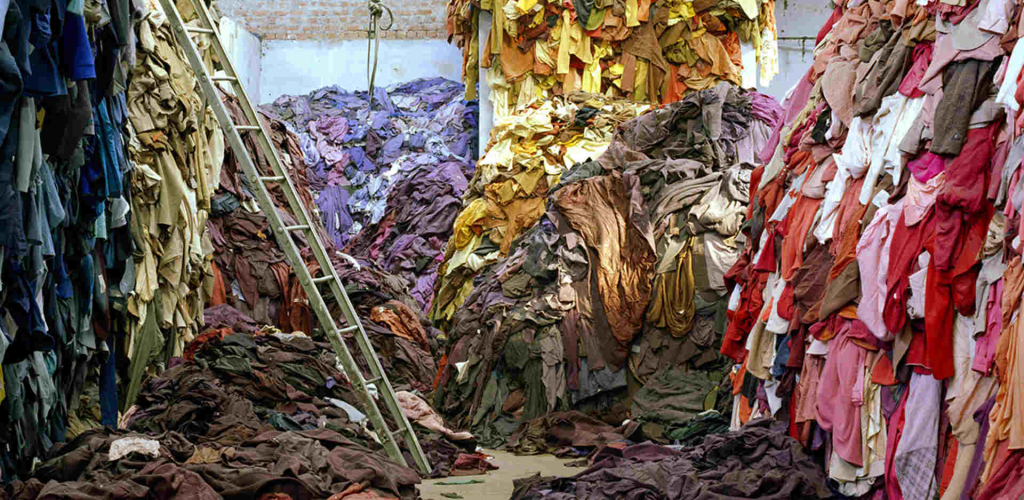
The fashion industry is responsible for 10% of global carbon emissions, more than international aviation and shipping combined (Scientific American). Not only that, it generates over 92 million tons of textile waste per year. That’s equivalent to one garbage truck of clothing being dumped every single second (Scoutripper).
As we continue to feed a system that prioritizes speed and profit over sustainability and ethics, the planet, and the people who make our clothes, pay the price. But there’s good news: small changes in how we shop and what we wear can have a big impact.
That’s where upcycling comes in.
What Is Upcycling in Fashion?
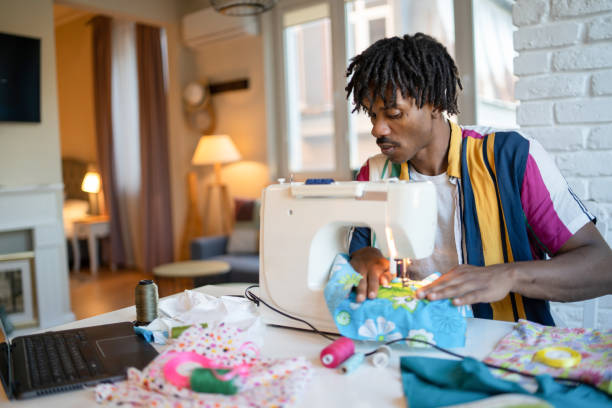
You’ve heard of recycling. But what about upcycling? While recycling breaks down materials to create something new, upcycling takes existing garments and transforms them into something better, without breaking them down completely. It’s about giving clothes a second life and using creativity to reduce waste.
This could mean turning an old hoodie into a tote bag, stitching patches onto worn jeans, or combining two t-shirts into a one-of-a-kind crop top.
And it’s not just a DIY trend, it’s part of a global movement. For example, in Ghana’s Kantamanto Market, over 15 million garments arrive weekly, much of it is unsellable waste dumped from wealthier nations. But many local entrepreneurs are taking this waste and upcycling it into new pieces, giving old clothing a purpose again (TIME).
Why Upcycling Clothes Makes a Difference
1. Environmental Benefits
The environmental impact of upcycling is massive. Fast fashion fuels overproduction, and brands like Shein reportedly add more than 6,000 new styles every single day (Washington Post). Many of these clothes are made from plastic-based fibers like polyester, which shed microplastics when washed and contribute to ocean pollution.
In fact, synthetic clothing makes up 35% of the microplastics in our oceans (Earth.org).Upcycling helps prevent these items from ever reaching landfills or oceans by keeping them in use longer.
Upcycling also saves energy and water. One cotton t-shirt takes about 2,700 liters of water to produce, enough for one person to drink for nearly 2.5 years.
2. Cost-Effective Fashion
Let’s face it, shopping sustainably can get expensive. But upcycling doesn’t have to cost a thing. You can rework your own old clothes or pick up low-cost materials from thrift stores.
Instead of buying something new, you can make it better with your own twist, often for free. And since upcycled clothes tend to be unique and durable, they’re less likely to go out of style or fall apart after a few wears.
3. A Creative Outlet
Upcycling is more than sustainability, it’s a way to express yourself. Whether you’re a fashion student, designer, or just someone who loves DIY projects, upcycling lets you turn your closet into a canvas.
“Thrift stores are treasure troves of upcycling potential,” notes GreenMatters. With a little imagination, you can create bold, edgy, or elegant looks—no sewing degree required. Milliegoat bags is a great example of getting creative with old clothes!

How to Start Upcycling: Tips for Beginners
Tools You’ll Need
• Scissors
• Thread and needle (or fabric glue!)
• Safety pins
• Old clothes or thrifted items
Easy DIY Project Ideas
• Turn a hoodie into a reusable tote bag (How to sew DIY Tote Bag From old hoodie )
• Cut a t-shirt into a halter top or crop(How to crop a t-shirt)
• Patch together old jeans into shorts or skirts (DIY How to cut the perfect jeans shorts everytime)
• Add embroidery or fabric paint to give your pieces new life (I Customized a Shirt with Paint and Embroidery)
Where to Find Clothes to Upcycle
• Your own closet
• Thrift stores and flea markets
• Clothing swaps with friends
• Local donation centers
Look for interesting fabrics, textures, or colors, even a stained shirt can be turned into something amazing.
Brands and Creators Leading the Way
You don’t have to go at it alone, plenty of brands are upcycling at scale:
Christy Dawn uses leftover fabrics from big manufacturers (deadstock) to create timeless, elegant styles.
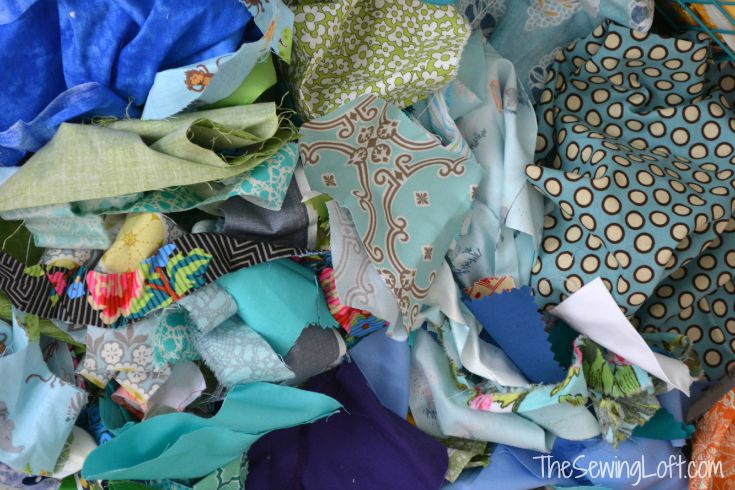
Greater Goods turns discarded fabric scraps into durable hiking gear.
RE/DONE reworks vintage Levi’s into modern fits with a sustainable touch.
And governments are starting to take notice. In June 2025, France passed a law to fine ultra-fast fashion platforms like Shein and Temu up to €10 per item, or 50% of the product’s price, for their environmental damage (Reuters).
Meanwhile, Shein was fined €1 million in Italy for misleading customers about how ‘eco-friendly’ its products really are (The Guardian).
Sustainable Living Beyond Fashion
Upcycling is just one part of a more sustainable lifestyle. Once you start making mindful fashion choices, it naturally leads to others.
Here are some simple ways to live more sustainably:
• Build a capsule wardrobe with timeless basics → Eco-friendly wardrobe essentials
• Thrift shopping → Find unique, affordable pieces while keeping clothes out of landfills.
• Donate or resell unwanted clothes → Give your garments a second life instead of tossing them.
• Avoid ultra-fast fashion brands → Support ethical, sustainable labels or small local makers.
As Fashion Revolution reminds us:
“We’re not just buying clothes, we’re buying into values, systems, and outcomes. Every choice counts.” (FashionRevolution.org)
A New Way Forward
Fashion doesn’t have to be wasteful to be beautiful. By choosing to upcycle rather than buy into fast fashion, you’re taking a powerful stand, for the planet, for the people who make our clothes, and for a better future.
So the next time you want something new to wear, pause and ask:
Can I make it instead?
Would I be able to thrift it?
What do I own that can be upcycled?
Our fashion choices matter more than we think. Let’s move toward a world where sustainability isn’t a trend, it’s the standard.