If you care about living sustainably, you’ve probably heard the words upcycling and recycling. They sound similar, but they’re not the same thing. Both help reduce waste, but they work in very different ways, and one might even inspire your next creative project.
What Is Recycling?
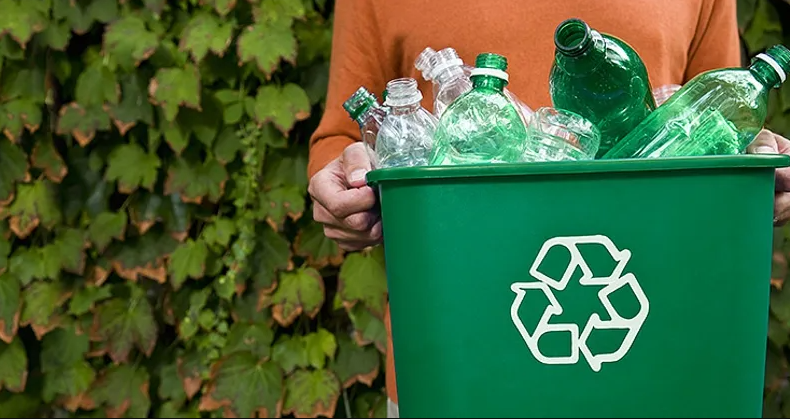
Recycling takes old materials, like plastic bottles, paper, or glass, and breaks them down so they can be made into new products. This process usually happens in a factory using heat, water, or chemicals. While recycling helps keep materials out of landfills, it still uses a lot of energy to melt, shred, or reform them.
For example, when you recycle a plastic water bottle, it might get turned into new plastic packaging or clothing fibers. It’s a great way to reuse materials, but every time something is recycled, it loses a bit of quality and eventually can’t be reused again.
What Is Upcycling?
Upcycling skips the factory and the melting process completely. Instead of breaking something down, you turn it into something new and even better. It’s all about creativity and giving old things a second life.
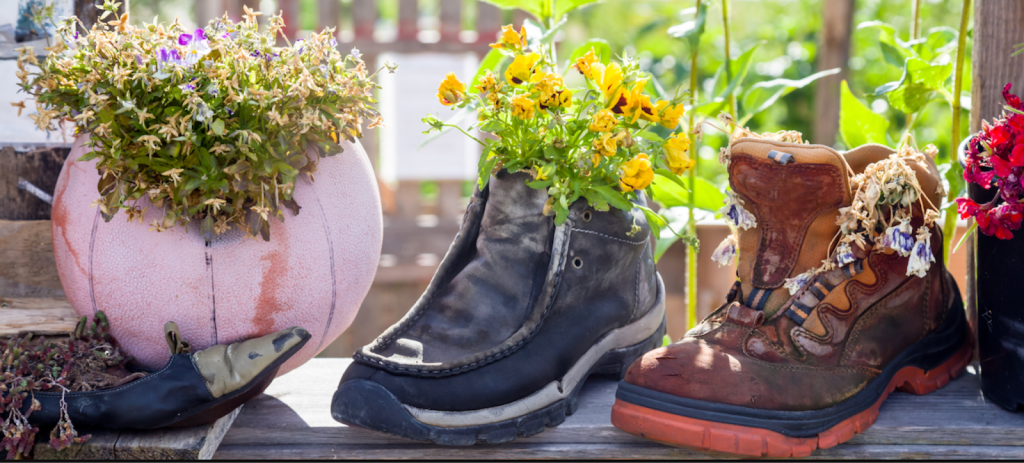
For instance, turning an old pair of jeans into a tote bag, using leftover wood to build a shelf, or transforming glass jars into candle holders are all examples of upcycling. Nothing gets wasted, and you end up with something one-of-a-kind.
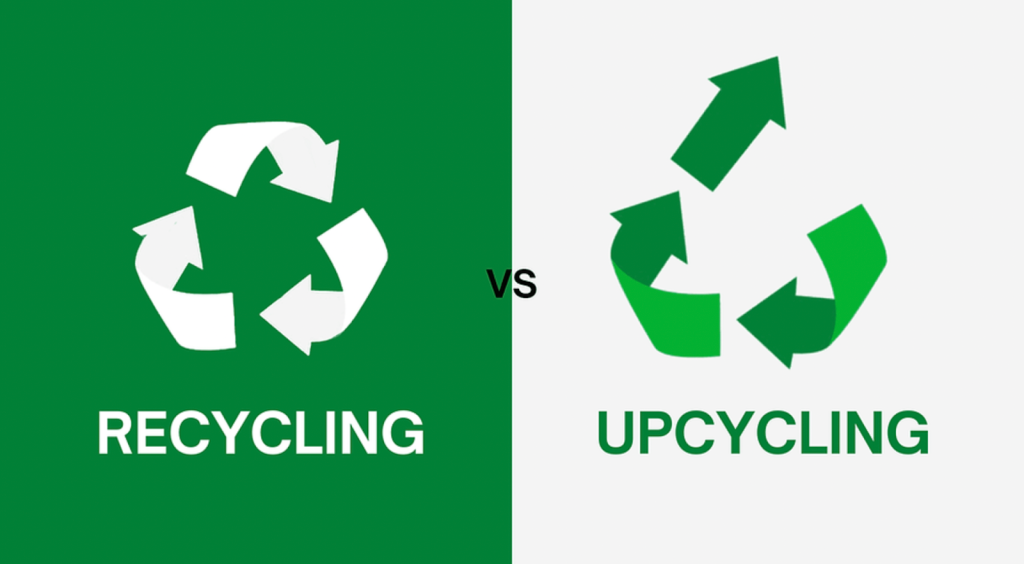
Key Differences Between Upcycling vs. Recycling
Here’s how to tell them apart in simple terms:
- Recycling breaks materials down to make something new.
- Recycling often happens in large facilities using energy and machinery.
- Recycling keeps materials in use a little longer.
- Upcycling can happen right at home with creativity and basic tools.
- Upcycling keeps materials whole and transforms them into something new.
- Upcycling adds more value and extends an item’s life in a fun, personal way.
In short, recycling helps the environment by reusing materials, but upcycling does it in a more hands-on, creative, and energy-efficient way.
Why Upcycling Matters
Upcycling helps reduce waste and pollution while encouraging people to be more thoughtful consumers. Every time you upcycle, you prevent something from going to the landfill and save the energy it would take to recycle or produce something new.
It’s also a great way to express your creativity. You can design clothes, furniture, or décor that truly reflect your personality. Plus, upcycling promotes a circular economy, where materials stay in use for as long as possible, creating less waste overall.
As EarthDay.org explains, “Upcycling gives old materials new purpose, reducing our need for new production and keeping usable items out of landfills.” That’s what makes it such a powerful sustainability tool.
Simple Ways to Start Upcycling
You don’t need fancy tools or a big budget to start. Here are a few easy ways to upcycle in your daily life:
- Repurpose clothing: Turn worn-out t-shirts into cleaning rags or fabric bags.
- Refinish furniture: Sand and repaint an old dresser or chair to match your style.
- Reuse jars and bottles: Clean and use them for storage, planters, or décor.
- DIY fashion projects: Add patches, dye, or embroidery to give your clothes a new look.
- Craft gifts: Use old fabrics, paper, or metal to create handmade presents.
Each small project makes a difference, and you’ll feel proud knowing you created something useful and sustainable.
Recycling Still Matters
Even though upcycling is more creative, recycling still plays an important role in sustainability. Some materials, like aluminum and glass, can be recycled endlessly without losing quality. So while upcycling is great for unique items and small projects, recycling ensures mass materials are reused efficiently.
The best approach is to combine both, upcycle when you can, and recycle when it’s the most practical option.
Living a More Sustainable Life
Upcycling and recycling are both easy ways to make eco-friendly choices. The more we reuse what we already have, the less we rely on new production and wasteful habits. Small actions, like upcycling a bag or properly sorting recyclables, can add up to a big impact over time.
If you’re ready to start, try an upcycling project this weekend. Look around your home and see what you can transform instead of throwing away. You might be surprised by what you can create with a little imagination.
Try your own upcycling project and share your before-and-after photos on Instagram! Tag me @_milliegoat I’d love to see your creative transformations and feature your work.